Technical Specs, Straight from the Workshop
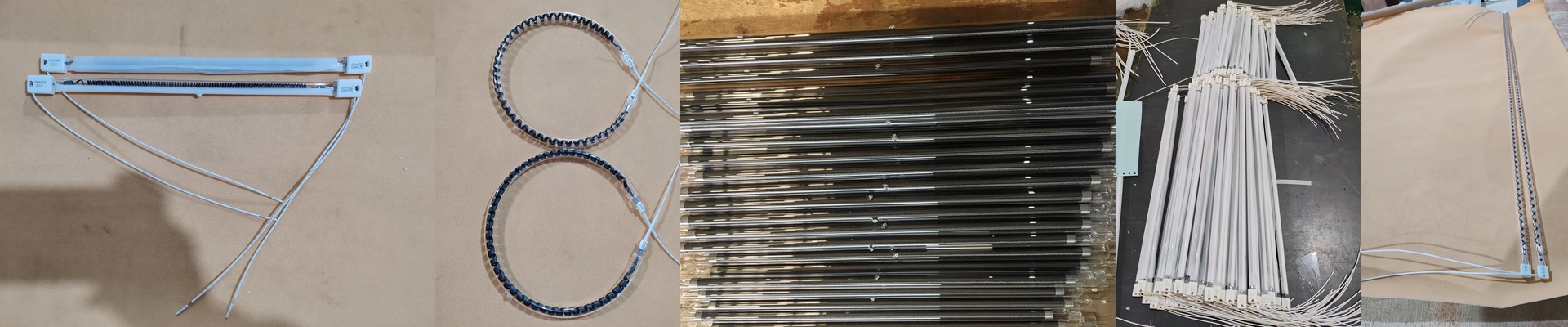
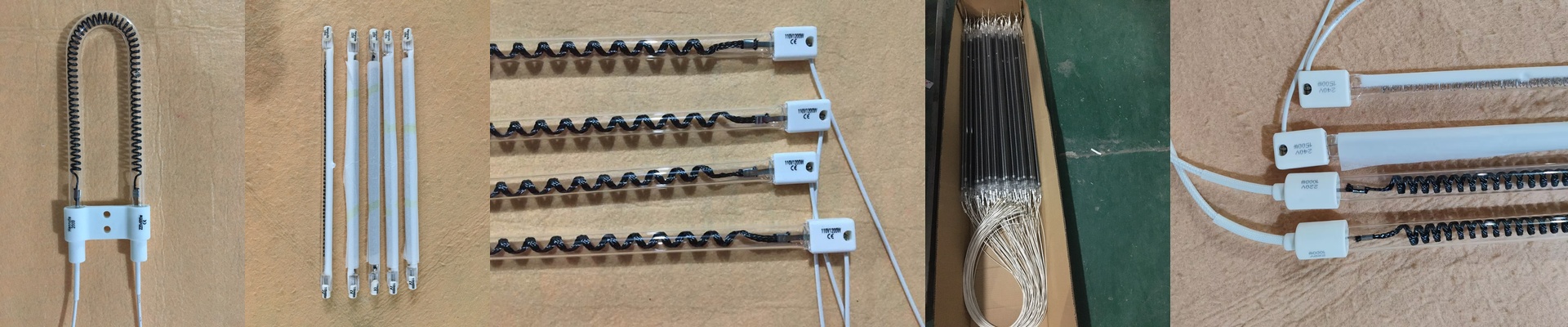
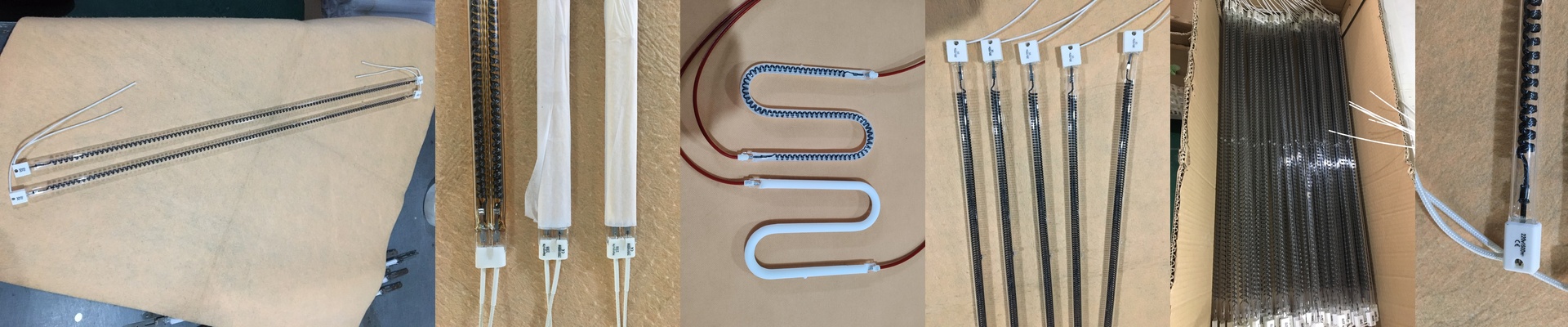
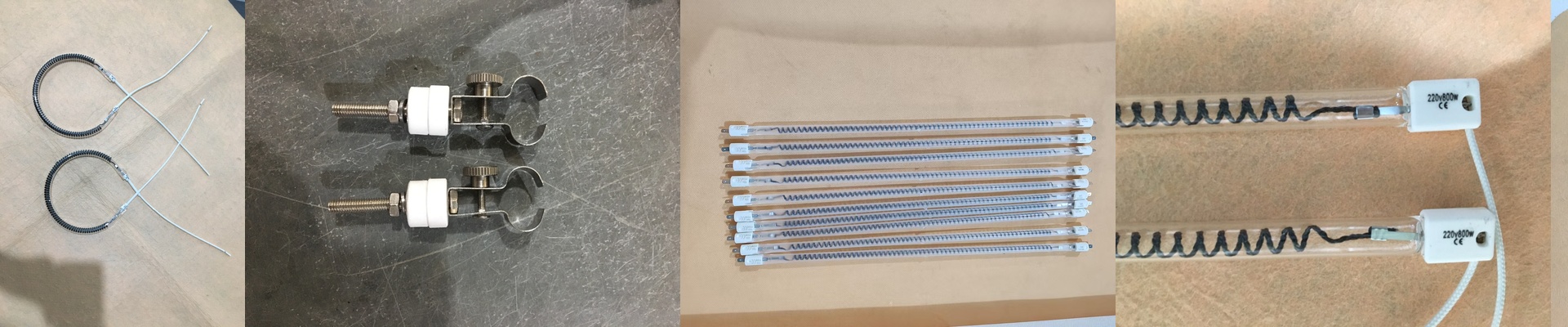
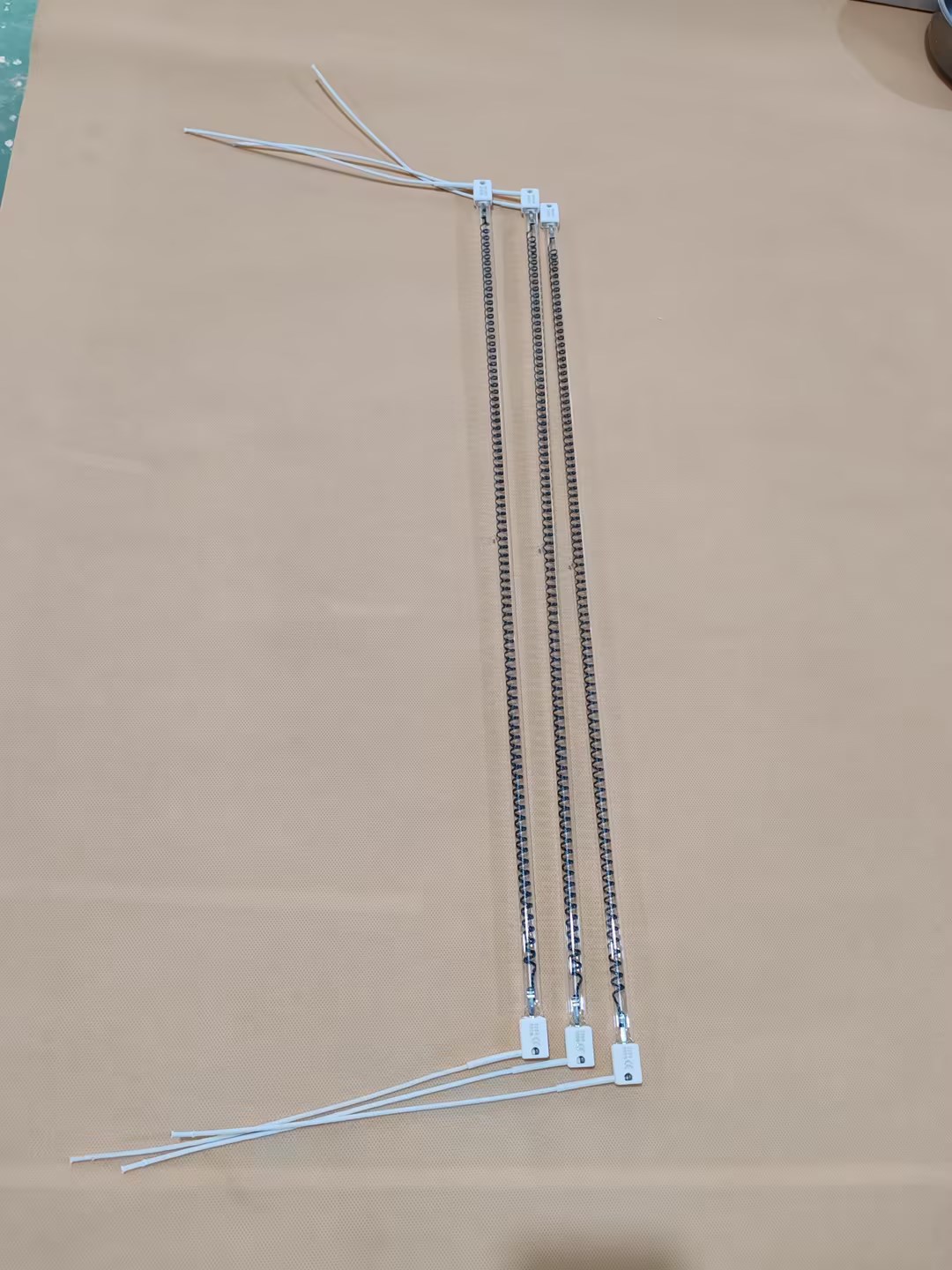
Let’s talk about our carbon fiber heat emitters. We built these to be industrial workhorses—high-density infrared sources that get your process heating done, and done right. The heart of the design is a 300mm carbon filament, paired with a 400V, 2500W power rating. We chose this combo for a reason. It means you get rapid heat-up and precise control, all in a compact package that won’t eat up your floor space. That 400V rating is a smart move, too. It lowers the current draw compared to lower-voltage options, which means you can use smaller wiring. Less fuss, simpler installations. And that 2500W output across the 300mm length? It gives you a serious watt-per-centimeter ratio, so you can focus intense heat exactly where you need it, without having to overhaul your whole line.
How We Built It (And Why It Stays Tough)
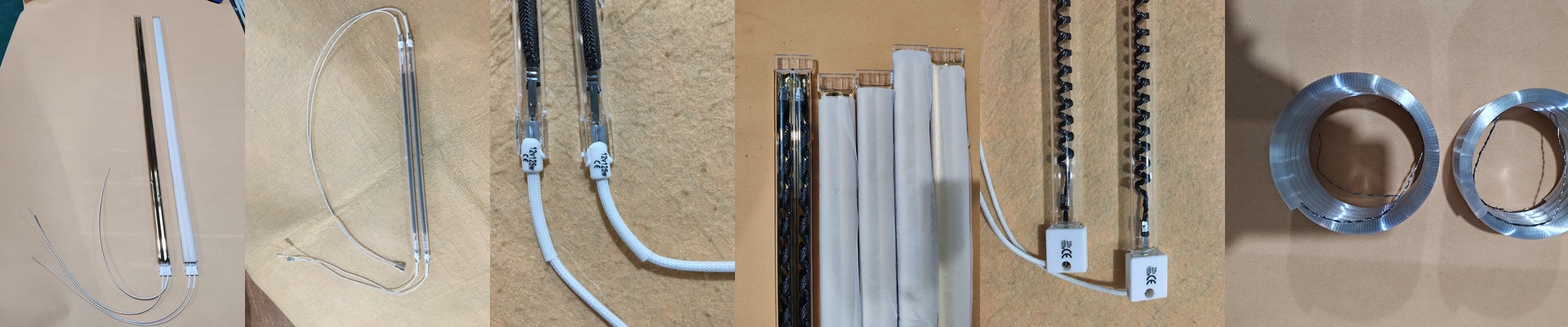
Inside, that carbon filament is nestled in a quartz envelope, surrounded by a halogen cycle fill gas. This isn’t just for show. It keeps the filament rock-solid at high temperatures and prevents the lamp from blackening over time. The halogen cycle does its job, too, keeping the output consistent—which is exactly what you need when you’re running 24/7. For the mechanical side, we went with R7s connectors. It’s a two-pin, end-to-end mounting system that locks the lamp in place and keeps it perfectly aligned inside the fixture or reflector. And here’s the best part: it’s a straight swap for many standard halogen lamp setups. So you can upgrade without redesigning the whole holder. Just pop it in and go.
Where It Shines (And What to Watch For)
These emitters are a natural fit for jobs like PET blowing and other thermal forming steps. They’re made for fast response and pinpoint heating. The carbon filament throws a broad infrared spectrum that just seems to “click” with polymer surfaces. The result? Better heat transfer efficiency and way less preheat time. That compact 300mm length slips easily into those narrow neck-heater blocks, and the R7s connection makes swapping them out during maintenance a quick, painless job. But here’s the thing to keep in mind: this unit runs hot. A 400V, 2500W unit packs a punch, and that means the machine around it needs proper cooling and heat shielding. Plan your airflow and guarding from the start. If you don’t, you’ll be shortening the life of the component.