Introduction
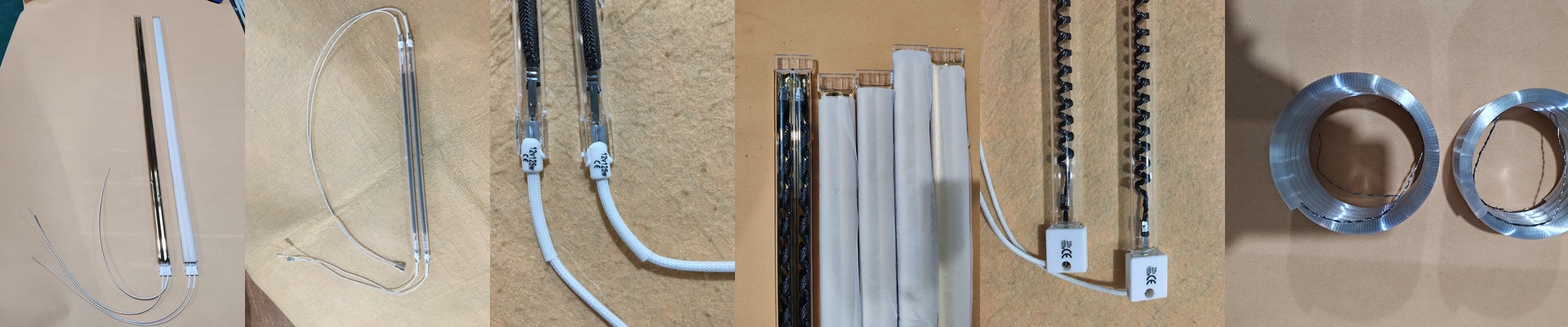
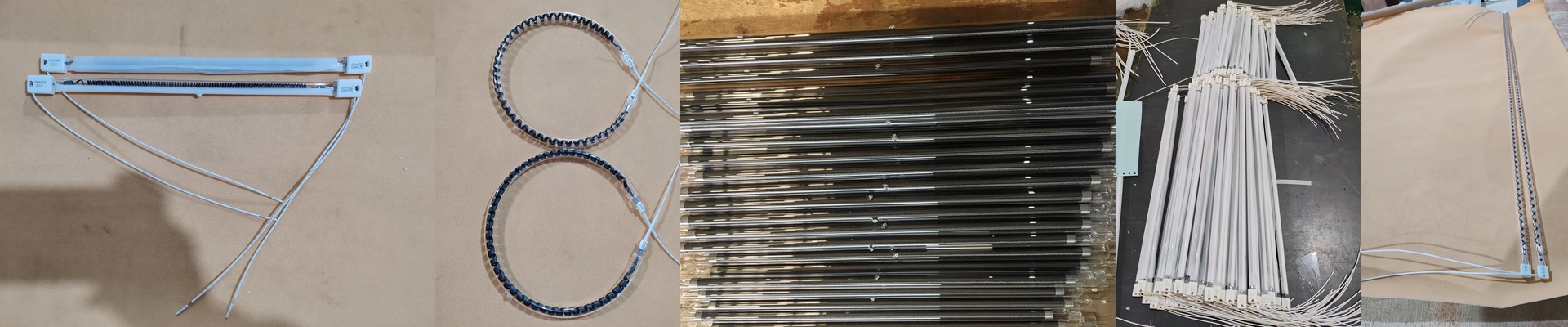
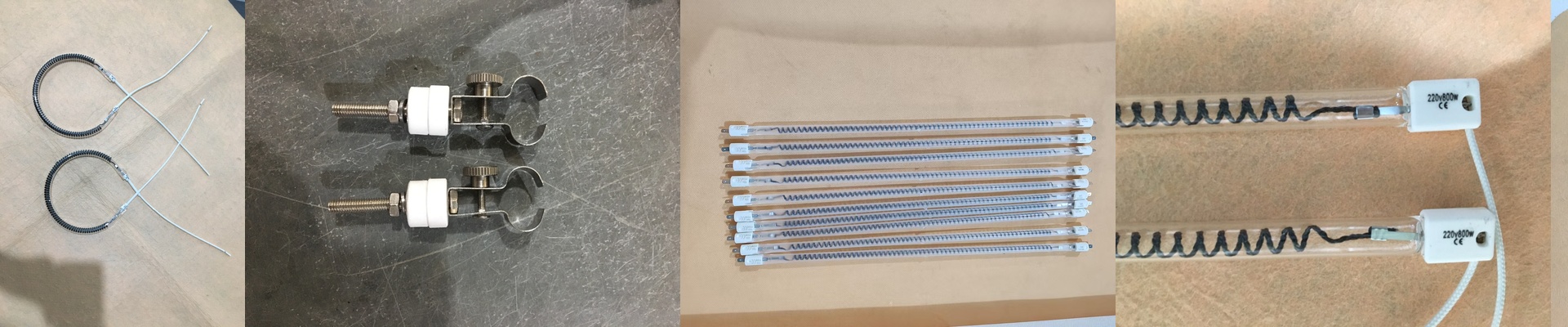
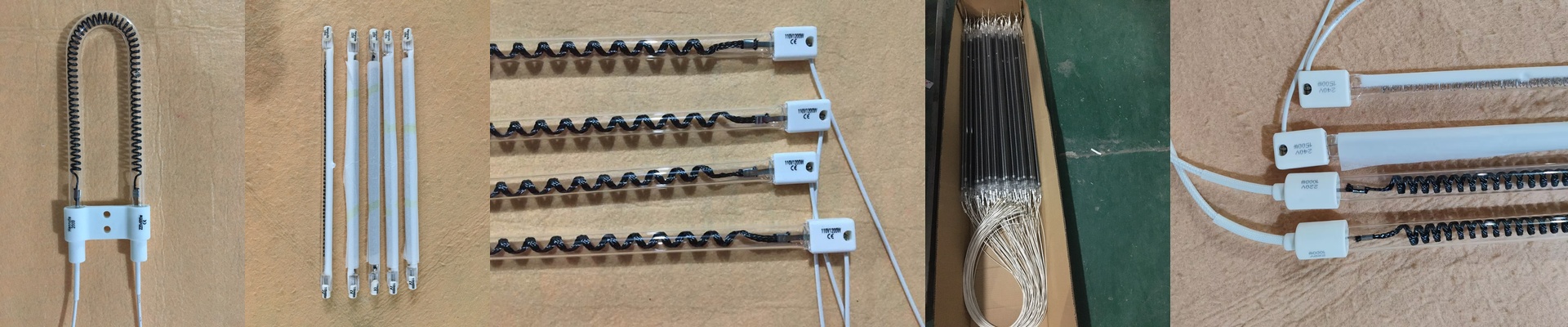
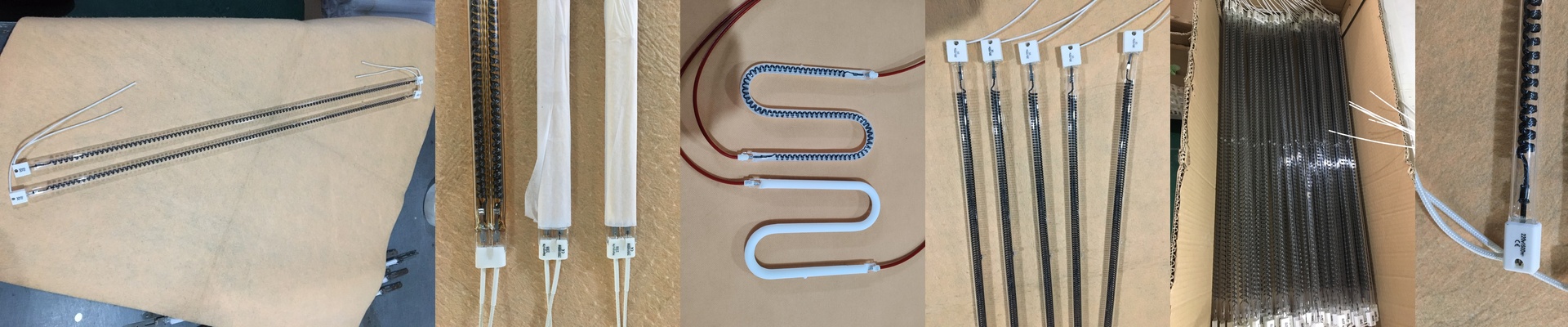
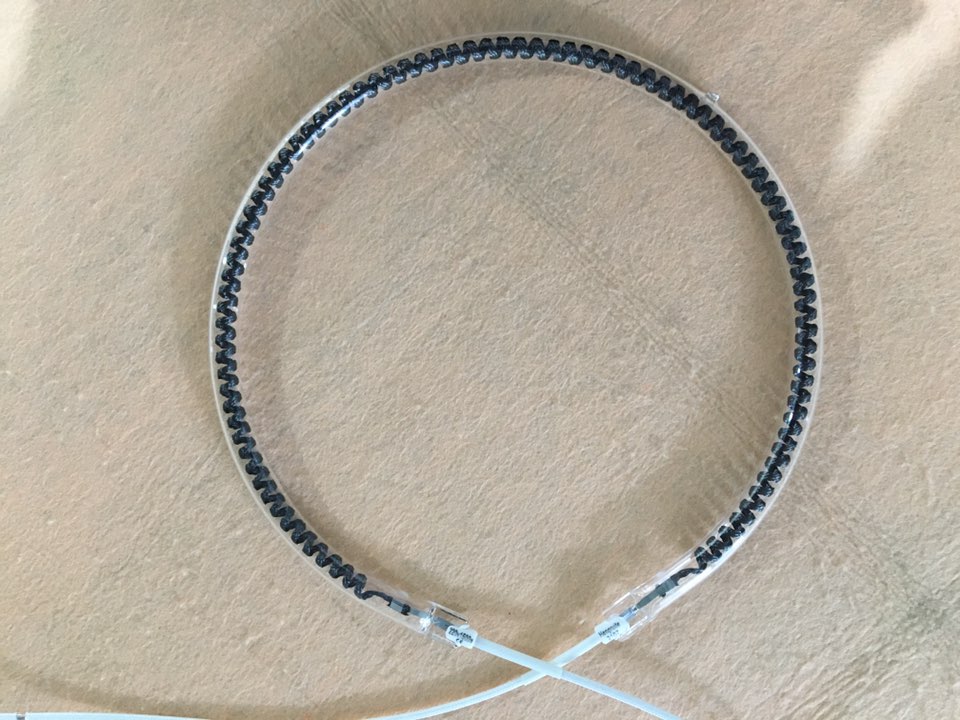
We built the Circle Carbon Fiber Halogen Heater for engineers who need serious heat in a small package. It’s compact, tough, and designed for the moments when you need infrared power fast—no waiting around, no weak output. If your machine has to hit temperature quickly and hold it steady, this is the kind of heater you reach for when you can’t afford to compromise. It’s a 400V, 2500W unit packed into a 300mm quartz tube, so it slips into tight spots without sacrificing heat density.
The power, voltage, and size—why they matter
Here’s the heart of it: 400V, 2500W, and a 300mm tube. That combo gives you a lot of watt density without taking up a lot of space. At 2500W, you get enough punch to heat targets fast, so you don’t have to design the whole machine around a bulkier heater. And the 400V rating? It lets you run at higher voltage, which means lower current for the same power. Lower current brings real-world benefits: smaller wiring, less voltage drop, and less heat building up in your control panel. The 300mm length gives you a clean, repeatable heat zone—easy to model, easy to work with.
What’s inside: carbon fiber, halogen gas, and a solid connection
The heating element uses a carbon fiber filament inside a quartz tube, filled with halogen gas. The halogen cycle keeps the element stable over time, preventing blackening and helping the output stay consistent. Carbon fiber is the secret to that quick response. It heats up fast and cools down fast, so you get tighter control when your cycles change. And the quartz tube? It handles high temperatures without sweating, and it’s built to resist thermal shock. For installation, the R7s two-pin connector is straightforward and common on linear quartz heaters. It gives you a solid mechanical and electrical fit, and it makes this heater a simple drop-in replacement for many existing fixtures.
Where it shines—and the practical stuff you’ll appreciate
This configuration is right at home in industrial infrared heating, especially when you need focused heat on a line, a part, or a specific process zone. Think drying, curing, pre-heating, or keeping temperature steady on moving webs and components. Because the carbon fiber filament responds so quickly, you can cut down cycle time and get more repeatable results. Now, a 2500W heater in a 300mm tube packs a lot of heat density. So plan for proper cooling and ventilation around the heater and the target area. And before you run it, double-check the socket rating and wiring method match the current draw—no surprises in the field, no overheated contacts, no loose terminations.